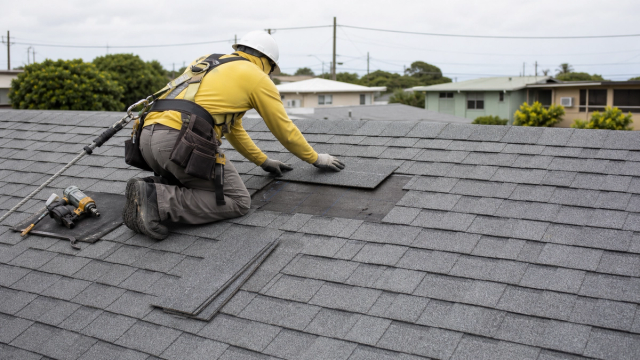
How to Prove Storm Damage vs. Normal Wear on Your Oahu Roof
· R&C Roofing Contractors
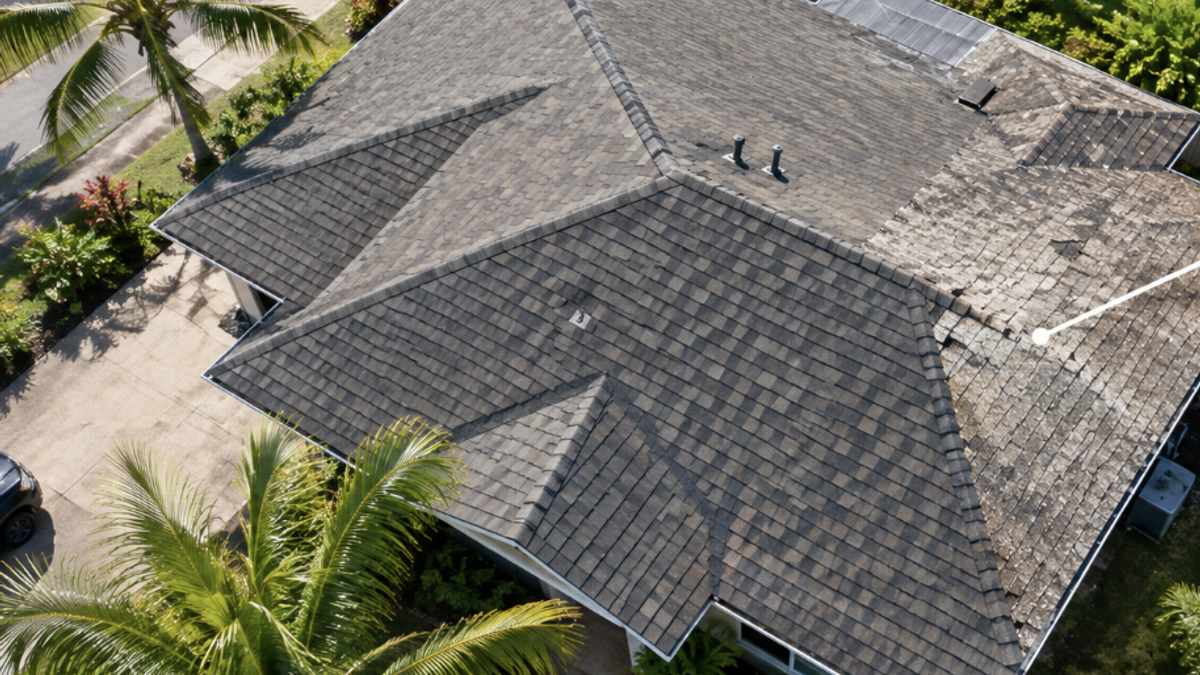
After a strong wind event or heavy rain, many Oahu homeowners climb into the attic or look up at the ceiling and notice something new. A stain that was not there before. A shingle edge that looks lifted. A soft spot near a vent. The first question is almost always the same: Is this from the recent storm, or is it simply the roof showing its age?
That distinction matters. Insurance carriers evaluate claims based on whether the damage resulted from a sudden weather event or from gradual deterioration. Adjusters are trained to look for patterns that separate the two. Homeowners who understand those patterns can approach the process with clearer expectations and better documentation.
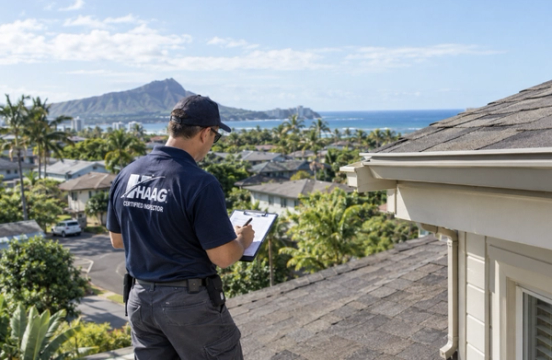
We perform storm damage inspections across Oahu by looking for evidence that separates sudden storm damage from normal wear. Our role is to examine the roof, record what is present, and provide contractor-side information. You file the claim with your carrier. We do not determine coverage or negotiate settlements. That decision belongs to the insurance company.
What Adjusters Look for When They Evaluate a Roof
Adjusters start with the overall condition of the roofing system. They note the age of the materials, the quality of the original installation, and the amount of ordinary wear already present. Then they look for signs that something sudden interrupted that normal aging process.
Gradual wear on an Oahu roof usually appears consistent across slopes that face similar conditions. Granule loss tends to be relatively even. Seal strips may become brittle over time. Metal components near the coast often show progressive corrosion from salt air. These changes develop over years.
Storm damage, by contrast, often shows directionality. Wind can lift shingle tabs on the windward side of a ridge while leaving the leeward side relatively untouched. Fasteners may loosen in a pattern that matches the storm’s path. Debris impact leaves concentrated marks rather than uniform surface aging. New interior stains that appear shortly after a weather event also raise questions that older, long-standing stains do not.
The adjuster’s job is to weigh these observations against the policy language and the weather records for the date of loss. Clear photographs, measurements, and written descriptions of the physical conditions help keep the conversation focused on the evidence rather than on conflicting opinions.
Forensic Methods That Create a Usable Record
Two techniques help produce documentation that both homeowners and adjusters can evaluate.
The first is the test square method. An inspector marks representative 10-by-10-foot areas on each major roof slope. Inside each square every shingle, tile, or membrane section is examined closely. The findings are recorded and can be compared across the roof. This approach was developed by HAAG engineers decades ago and remains a standard sampling method, especially for quantifying certain types of impact damage. It replaces scattered observations with a consistent, repeatable sample. When the same method is applied to multiple slopes, patterns become easier to see.
The second technique focuses on wind-crease analysis for asphalt shingles. Strong wind can lift a shingle tab and fold it backward. When the tab returns to its original position, it often leaves a visible crease. The orientation and location of those creases can indicate the direction of the force that created them. Combined with photographs of displaced materials, loosened nails, or missing tabs, the pattern helps distinguish recent wind effects from ordinary aging or foot traffic.
We apply these methods during storm damage inspections. We photograph the conditions, note the locations, and prepare a factual record. The goal is not to argue coverage. The goal is to give you and the adjuster the same clear picture of what exists on the roof.
Why Oahu’s Microclimates Make the Distinction Harder
A roof in Kailua does not age the same way as a roof in Kapolei or Ewa Beach. Windward neighborhoods experience frequent moisture and wind-driven rain that can work under flashing and into the decking over time. Coastal properties anywhere on the island face salt-laden air that accelerates corrosion of metal components. Leeward slopes take intense ultraviolet exposure that hardens asphalt and degrades sealants faster than in milder climates.
These background forces mean that some degree of wear is almost always present. An adjuster who is unfamiliar with local conditions may attribute every visible issue to age. An inspector who understands the microclimates can better separate the expected background condition from changes that align with a specific storm event.
We factor the property’s location and exposure into every inspection. That local context helps produce documentation that reflects both the storm-related signs and the ordinary wear the roof was already carrying.
Common Signs Compared
| Condition | More Typical of Normal Wear | More Typical of Storm Damage |
|---|---|---|
| Granule loss | Gradual and relatively even across similar slopes | Concentrated in impact zones or high-flow areas |
| Shingle edges and tabs | Slow curling or brittleness over years | Sudden lifting, creasing, or displacement |
| Fasteners and flashing | Progressive corrosion from salt or age | Loosening or movement after high wind |
| Pattern across the roof | Consistent with overall age and exposure | Directional, often matching the storm’s wind path |
| Interior water stains | Long-standing or slowly expanding marks | New stains appearing shortly after the weather event |
This table is a general reference. Every roof is different. Only a physical inspection can confirm the actual conditions on your property.
How the Documentation Supports the Claim Process
The inspection itself does not create coverage. Your policy and your carrier determine what is covered. What the inspection does provide is a clear record of the physical evidence.
We inspect accessible areas and photograph relevant conditions before preparing a technical scope when repairs appear necessary. You contact your insurance company and open the claim. If the adjuster requests contractor-side information, we supply the documentation we prepared. If the carrier approves a scope of work and you choose to move forward with us, our licensed crews complete the approved repair or replacement under Hawaii Contractor License C-33642.
We build estimates in Xactimate, the same software many adjusters use. This keeps the numbers in a format both sides already understand. It does not change what the policy covers. It simply reduces arguments about whose spreadsheet is correct.
Services That Follow from the Findings
Once the condition of the roof is understood, the appropriate next step becomes clearer. We offer a full range of services that begin with the documented findings:
- Roof repair for localized leaks, damaged flashing, or isolated wind damage
- Roof replacement and new installation when the system shows widespread failure
- Residential roofing solutions matched to Oahu microclimates
- Commercial roofing for property managers and association boards
- Gutter installation and repair to manage heavy rainfall and protect roof edges
- Materials guidance covering asphalt shingles, metal, stone-coated steel, and tile
Start With a Clear Record of Your Roof
If a recent storm left you unsure about the condition of your roof, the first step is a thorough inspection. We will examine the system and document what we find, then explain the difference between storm-related damage and normal wear in plain terms.
Inspections and estimates are free. A written report is available for a fee if you need formal documentation for your carrier or your own records.
Call (808) 888-2524 or reach out through the contact form on our website. We will walk the roof and record the evidence, then give you the facts so you can decide the next step with confidence.