Oahu Microclimates: How Your Neighborhood Impacts Your Roof
· R&C Roofing Contractors
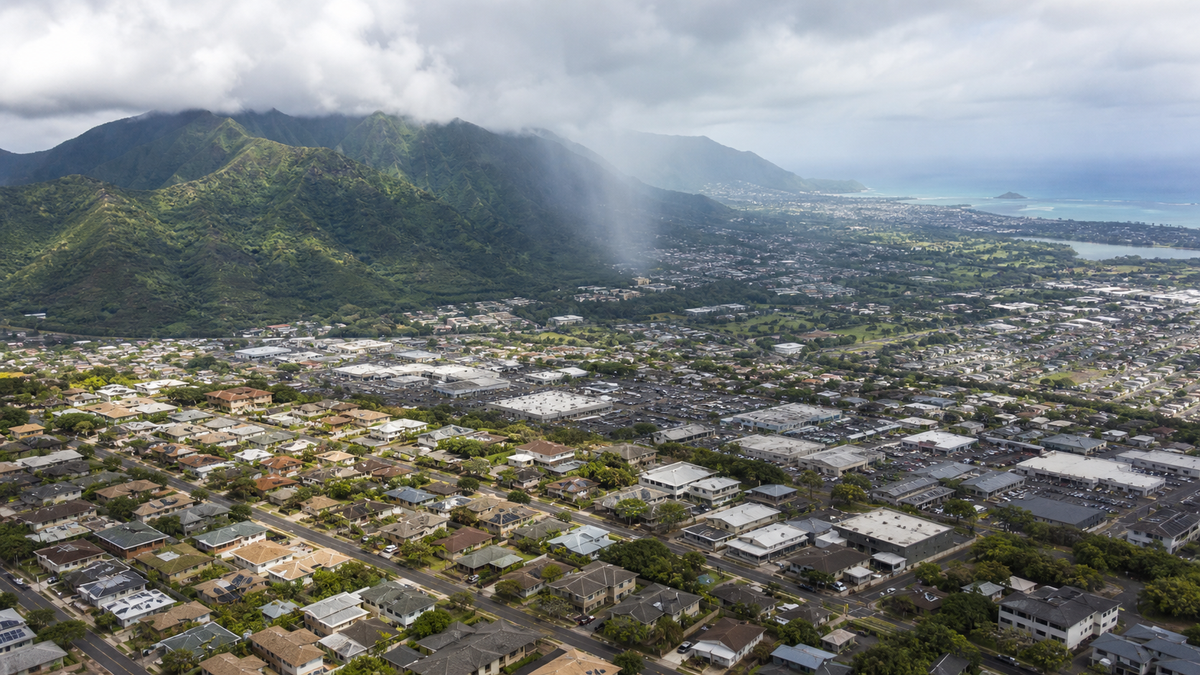
Drive from Honolulu across the Pali Highway to Kailua and you watch the weather change completely in under thirty minutes. Oahu features distinct microclimates created by the Koʻolau and Waiʻanae mountain ranges. The environmental threats to a residential or commercial property depend heavily on the specific ZIP code.
A generic approach to building materials fails under these geographic conditions. What works perfectly well in a dry mainland suburb often deteriorates rapidly when exposed to tropical moisture or coastal salt spray. At R&C Roofing, we evaluate the specific exposure of your property before making any maintenance or material recommendations.
Oahu's Mountain Ranges Create Distinct Weather Zones
Understanding these local weather patterns is the first step in protecting your property. The actual lifespan of a roofing system depends entirely on where you live and how the materials are installed to handle the specific environmental loads of your neighborhood.
Coastal Exposure on the South and East Shores
Properties in Kailua, Waimanalo, and Hawaii Kai deal with constant salt spray carried by the prevailing trade winds. Salt accelerates corrosion on almost all building materials. Fasteners, metal roof panels, and exposed flashing degrade much faster without the right protective coatings.
When we inspect homes near the coast, we look closely at these metal elements to catch rust before it compromises the entire roof assembly. A rusted fastener can snap during a high wind event or allow water to seep directly into the roof deck. Material selection for these coastal neighborhoods must account for this highly corrosive environment to prevent premature failure.
Standard galvanized steel roofing panels often struggle in these areas. The zinc coating eventually breaks down under constant salt exposure. For beachfront properties, aluminum roofing or specialized zinc-aluminum alloy coatings provide superior resistance to red rust.
Material Performance in Coastal Zones
| Roofing Material | Coastal Durability | Maintenance Considerations |
|---|---|---|
| Standard Galvanized Steel | Low to Moderate | Requires frequent inspection for rust at cut edges and fastener locations. |
| Aluminum Panels | High | Highly resistant to red rust. May experience surface pitting without proper finishes. |
| Stainless Steel | Very High | Excellent corrosion resistance but requires a higher initial investment. |
| Asphalt Shingles | Moderate | Fasteners and metal flashing are the primary weak points requiring upgrades. |
Coastal Fasteners and Flashing
If you live within a mile of the ocean, upgrading your nails and flashing to stainless steel or high-grade aluminum is a practical necessity rather than an optional luxury. We factor these material upgrades into every roof replacement project along the coast.
Heavy Rainfall in the Valleys and Windward Side
Move toward Manoa, Nuʻuanu, or the deeper valleys of Kaneohe and moisture becomes the primary concern. These areas see significantly higher annual rainfall than the rest of the island. The constant wet cycles encourage rapid moss and algae growth on shaded roof surfaces.
This organic material traps water against the roof, accelerating the breakdown of asphalt shingles and wood shake. Roots from heavy moss can actually lift the edges of shingles and allow water to penetrate the underlayment. Roofs in these wetter areas require highly resilient waterproofing layers because the volume of water moving across the surface is substantial.
Managing High Water Volume
We pay special attention to drainage paths during our roof inspections in these neighborhoods. A roof is a complete system designed to shed water efficiently. If tree debris clogs a valley or blocks a gutter, water will back up under the roofing material. Properties in high-rainfall zones benefit from specific architectural details, and regular maintenance — keeping the roof surface clear of organic debris — extends the life of the materials significantly.
Wider Flashing
Valleys require wider metal flashing to handle sudden tropical downpours without overflowing.
Synthetic Underlayment
Advanced synthetic underlayment provides a stronger secondary water barrier than traditional asphalt-saturated felt paper.
Proper Gutter Sizing
Standard residential gutters often overflow during heavy Manoa valley rain. Upgrading to oversized commercial-style gutters helps direct heavy water flow safely away from the foundation.
Intense Sun and Wind on the Leeward Coast
Homes in Kapolei, Ewa Beach, Makakilo, and the Waiʻanae coast face a completely different set of challenges. These neighborhoods deal with relentless ultraviolet radiation and high thermal loads throughout the year. UV rays dry out roofing materials over time.
This constant sun exposure causes asphalt shingles to become brittle. The shingles lose their protective granules and begin to crack or curl at the edges. Once the granules wash away, the asphalt layer is directly exposed to the sun, leading to rapid deterioration.
The Leeward side also experiences significant temperature swings between the heat of the day and the cooler night air. This daily cycle causes roofing materials to expand and contract continually. This process is called thermal shock. It places immense stress on the seams of flat roofs and the sealants used around pipe penetrations.
Proper attic ventilation is non-negotiable in these hot climates. Without adequate airflow, heat builds up in the attic space and literally bakes the roofing materials from the inside out. Ridge vents, soffit vents, and solar attic fans help regulate this temperature and prolong the life of the roof assembly.
Identifying Sun Damage
| Damage Symptom | Primary Cause | Recommended Action |
|---|---|---|
| Curling Shingle Edges | Heat buildup and poor ventilation. | Evaluate attic ventilation and schedule an inspection for potential shingle replacement. |
| Excessive Granule Loss | UV degradation and material age. | Monitor granule accumulation in gutters. Asphalt layer is losing its protection. |
| Cracked Sealants | Thermal expansion and contraction. | Remove old cracked caulking and apply new exterior-grade roof sealants. |
| Blistering | Trapped moisture expanding under intense heat. | Usually requires localized roof repair or replacing the affected sections. |
Wind Uplift on the Leeward Coast
The Leeward side also experiences strong unimpeded winds sweeping off the ocean. Wind-driven rain easily finds weak points around aging flashing or lifted shingles. We factor in high thermal loads and specific wind uplift ratings when discussing materials for these neighborhoods.
The Central Plateau: Wind Tunnels and Temperature Swings
The central saddle of Oahu includes neighborhoods like Mililani and Wahiawa. This elevation brings cooler nights but still receives intense daytime sun. The geography also creates a natural wind tunnel between the two mountain ranges.
Trade winds accelerate as they funnel through this central corridor. This creates localized areas of high wind uplift pressure on residential roofs. Shingles that are not properly nailed or lack strong adhesive strips are highly susceptible to blowing off during strong gusts.
When repairing roofs in Central Oahu, we focus heavily on the attachment methods. Using additional fasteners per shingle and ensuring a clean seal on the adhesive strips prevents wind damage. Flashing around chimneys and skylights also takes a beating here from wind-driven rain, making thorough waterproofing details absolutely critical.
Material Selection Based on Your ZIP Code
Lifespan estimates printed on a manufacturer warranty rarely account for the extremes of Oahu weather. A 30-year shingle might last 25 years in a mild climate but show severe wear after 15 years under Kapolei sun or Kailua salt spray. The actual lifespan of your roof depends on selecting the right material for your specific microclimate.
Tile Roofing
Traditional tile roofing offers excellent wind resistance and UV protection but requires a structural frame built to handle the massive weight.
Stone-Coated Steel
Modern stone-coated steel roofing provides the aesthetic profile of tile or shake with a fraction of the weight, making it highly resilient against wind and sun.
Standing Seam Metal
Metal roofs shed heavy Manoa rain effortlessly but require specialized marine-grade coatings if installed near the ocean.
Choose the Material for the Property, Not a Catalog Default
We guide property owners through these material decisions based on the physical location of the building. We do not push a single preferred product. We look at the environmental exposure, the architectural style of the home, and the budget to find the most appropriate solution.
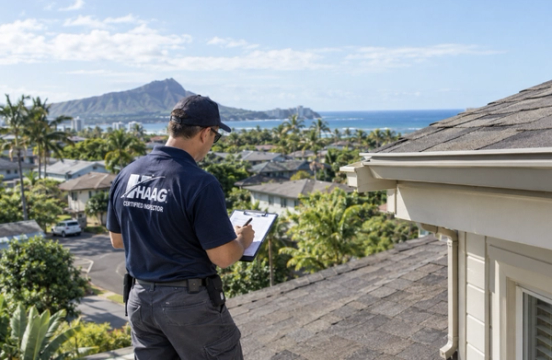
Why the First Step is Always a HAAG Certified Inspection
Because local conditions vary so wildly, diagnosing a roofing problem requires formal expertise. A ceiling stain might be caused by cracked sun-damaged sealants in Ewa Beach or wind-driven rain pushing under loose flashing in Wahiawa.
R&C Roofing brings specialized damage assessment expertise to every project. Robert Pilato is a HAAG Certified Inspector (Certification #201408313). This credential requires rigorous training in identifying the specific causes of roof failures. We do not guess at the source of a leak. We use formal diagnostic criteria to determine exactly what is happening.
When severe weather strikes, distinguishing between new storm damage and long-term environmental wear is vital. If you need to file an insurance claim, HAAG Certified documentation provides a clear, professional record of the physical damage. We provide this contractor-side documentation to help you navigate the repair process with your insurance carrier.