What Home Buyers Should Look for in an Oahu Roof Inspection
· R&C Roofing Contractors
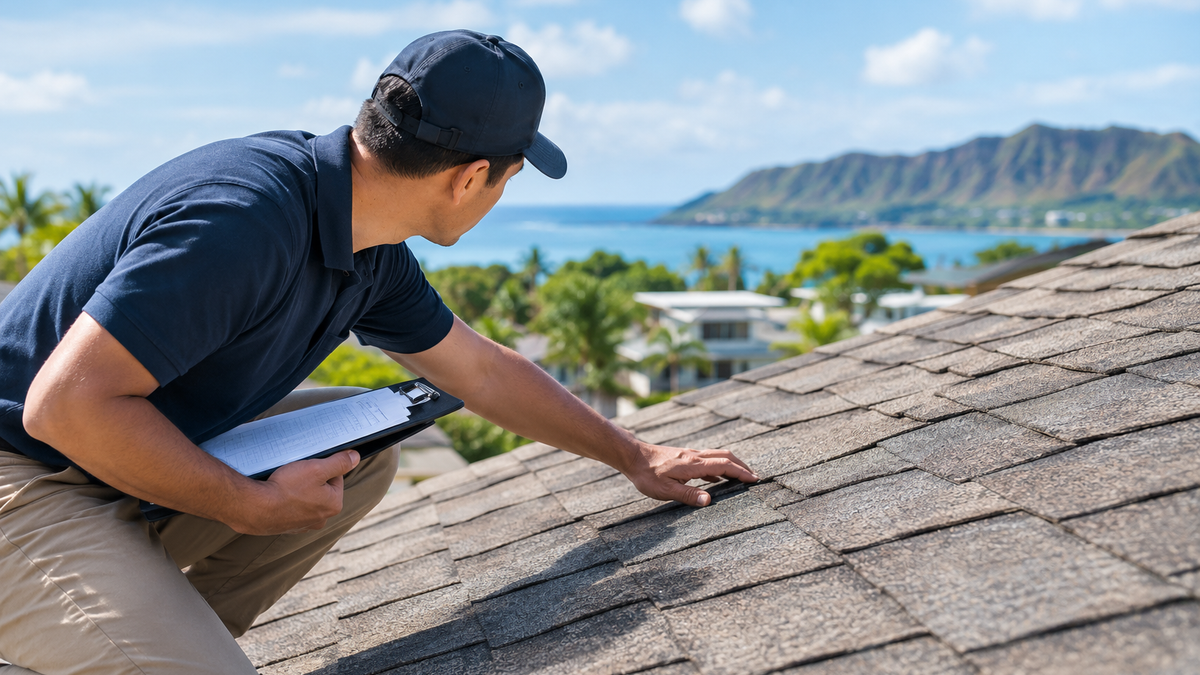
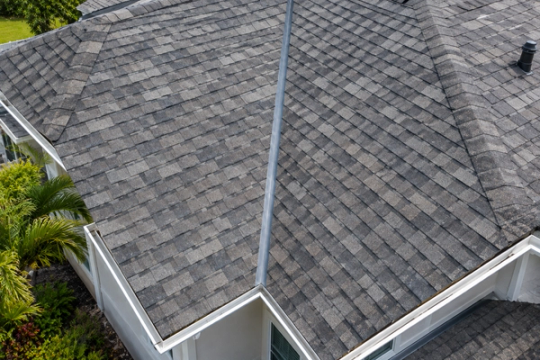
A roof is one of the largest and most expensive components of any Oahu home. For buyers and real estate agents, understanding its true condition before closing protects both the investment and future budgets. Surface appearance alone rarely tells the full story. Soft decking, aging flashing, deferred maintenance, and hidden moisture can exist beneath shingles that still look serviceable from the ground.
A professional roof inspection provides documented findings that go beyond a general home inspection. This guide outlines the specific red flags that matter most on Oahu properties and explains how a thorough evaluation supports informed decisions during a real estate transaction.
Why a Dedicated Roof Inspection Matters in Hawaii
Oahu roofs face continuous exposure to intense UV radiation, salt air, high humidity, and occasional wind-driven rain. These forces accelerate wear in ways that mainland buyers may not anticipate. A roof that appears intact can still have compromised underlayment, corroded fasteners, or localized deck damage that will require attention soon after purchase.
General home inspectors often note obvious issues such as missing shingles or visible stains. A HAAG Certified roof inspection goes further by evaluating the full system: surface materials, flashing, penetrations, ventilation, and the condition of the structural deck. The resulting documentation gives buyers a clearer picture of remaining service life and near-term repair needs.
Key Red Flags Buyers Should Understand
Soft or Compromised Decking
The roof deck is the structural base that supports the underlayment and surface materials. When moisture reaches the wood for extended periods, it softens and loses strength. Soft decking cannot hold fasteners securely and may require partial or full replacement before new roofing can be installed. An inspector can identify soft areas by probing and by examining the underside from the attic when access is available.
Aging or Failed Flashing
Flashing at valleys, chimneys, skylights, pipe penetrations, and roof edges is a frequent source of leaks. On Oahu, salt air and thermal cycling accelerate corrosion and sealant failure. Cracked, rusted, or improperly layered flashing often indicates deferred maintenance. Water that enters at these points can travel along the deck before appearing as an interior stain, so the visible problem may be distant from the actual entry location.
Widespread Granule Loss and Surface Deterioration
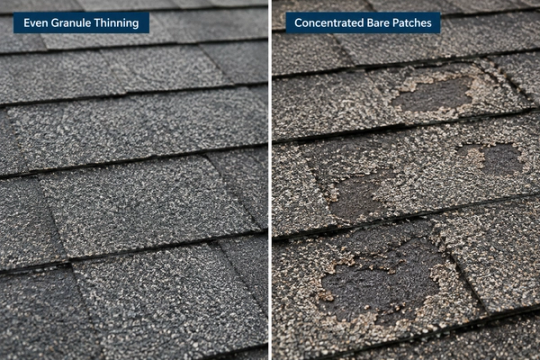
Asphalt shingles rely on mineral granules for UV protection. Heavy granule loss that exposes the dark asphalt mat signals advanced aging. Curling, cracking, or blistering of the shingles further indicates that the material is approaching the end of its functional life. These conditions are more pronounced on south- and west-facing slopes that receive the strongest sun.
Evidence of Prior Repairs Without Documentation
Patches, mismatched shingles, or sealant applied over flashing can indicate past leak repairs. Without records of the work performed, it is difficult to know whether the underlying cause was fully corrected. An inspection that documents these areas helps buyers understand the history of the roof and the likelihood of recurring issues.
Inadequate or Blocked Ventilation
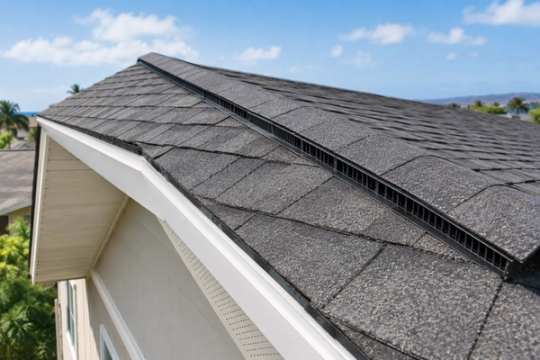
Poor attic ventilation traps heat and moisture. Over time this accelerates shingle aging from the underside and can contribute to mold or wood decay in the attic structure. Blocked soffit vents, missing ridge vents, or insulation that covers intake pathways are common findings that affect both comfort and roof longevity.
Multiple Layers of Roofing
Hawaii building codes limit the number of roofing layers that may remain in place. Excess layers add weight and can trap moisture. An inspection that identifies the number of existing layers informs decisions about whether a full tear-off will be required at the next replacement.
How the Inspection Process Supports the Transaction
A dedicated roof inspection typically includes a visual examination of the exterior surface, accessible attic spaces, and key waterproofing details. Photographic documentation of findings allows buyers and agents to review conditions after the site visit. The report distinguishes between issues that require immediate attention and those that can be monitored or planned for later.
R&C Roofing performs these evaluations with an inspection-first approach. Robert Pilato, HAAG Certified Inspector (Certification #201408313), documents visible conditions and explains the findings in clear terms. The company operates under Hawaii Contractor License C-33642. Inspections and estimates are free. Written reports suitable for real estate transactions or personal records are available at a quoted fee.
If the findings relate to weather damage, R&C can provide contractor-side documentation. The company does not act as a public adjuster or guarantee claim outcomes. Details appear on the claims support page.
Relevant Services for Buyers and Agents
R&C Roofing supports real estate transactions with clear, documented assessments:
- Roof inspections focused on the conditions that matter most to buyers and agents
- Targeted roof repair estimates when localized issues are identified
- Full residential roof replacement proposals when the system has reached the end of its service life
- Clear communication of findings so both parties understand the practical next steps
The goal is accurate information rather than a predetermined recommendation for replacement.
Red Flags Summary Table
| Red Flag | What It Indicates | Typical Buyer Implication |
|---|---|---|
| Soft decking | Prolonged moisture exposure | Possible deck replacement before new roofing |
| Failed or corroded flashing | Deferred maintenance or age | Near-term repair or partial system work |
| Heavy granule loss / curling | Advanced surface aging | Limited remaining service life |
| Undocumented prior repairs | Incomplete history | Higher uncertainty about recurring leaks |
| Blocked or missing ventilation | Heat and moisture retention | Accelerated aging and comfort issues |
| Multiple existing layers | Code and weight concerns | Full tear-off likely at next replacement |
Frequently Asked Questions
Is a general home inspection enough to evaluate the roof?
A general inspection notes obvious surface issues and interior stains. A dedicated roof inspection examines the full system, including decking, flashing, and ventilation, and provides more detailed documentation for transaction decisions.
When should a buyer schedule a roof inspection?
As early as possible in the due-diligence period. Findings can affect negotiation, contingency decisions, and post-closing budgets.
Can the seller’s recent roof work eliminate the need for an inspection?
Recent work is useful information, but independent verification of the current condition and quality of that work remains valuable, especially if documentation is limited.
What if the inspection finds problems?
The findings allow the buyer to request repairs, negotiate credits, or plan for post-closing work. Clear documentation supports practical discussions rather than assumptions.
Does R&C perform inspections for both buyers and sellers?
Yes. The same diagnostic process is available for pre-purchase evaluations and for sellers who want to understand and address conditions before listing.
Move Forward with Clear Information
An Oahu roof inspection focused on the specific red flags of deferred maintenance, soft decking, flashing age, and related system issues gives buyers and agents the facts needed for confident decisions. Surface appearance alone is rarely sufficient under local climate conditions.
R&C Roofing provides HAAG Certified inspections that document the actual condition of the roof and explain the practical implications. The process begins with a free inspection and estimate so you understand the findings before the transaction advances.
Call (808) 888-2524 or schedule through the website. Accurate documentation protects the investment and reduces the chance of unexpected roof expenses after closing.