Why Hiring a Licensed C-42 Roofing Contractor Matters
· R&C Roofing Contractors
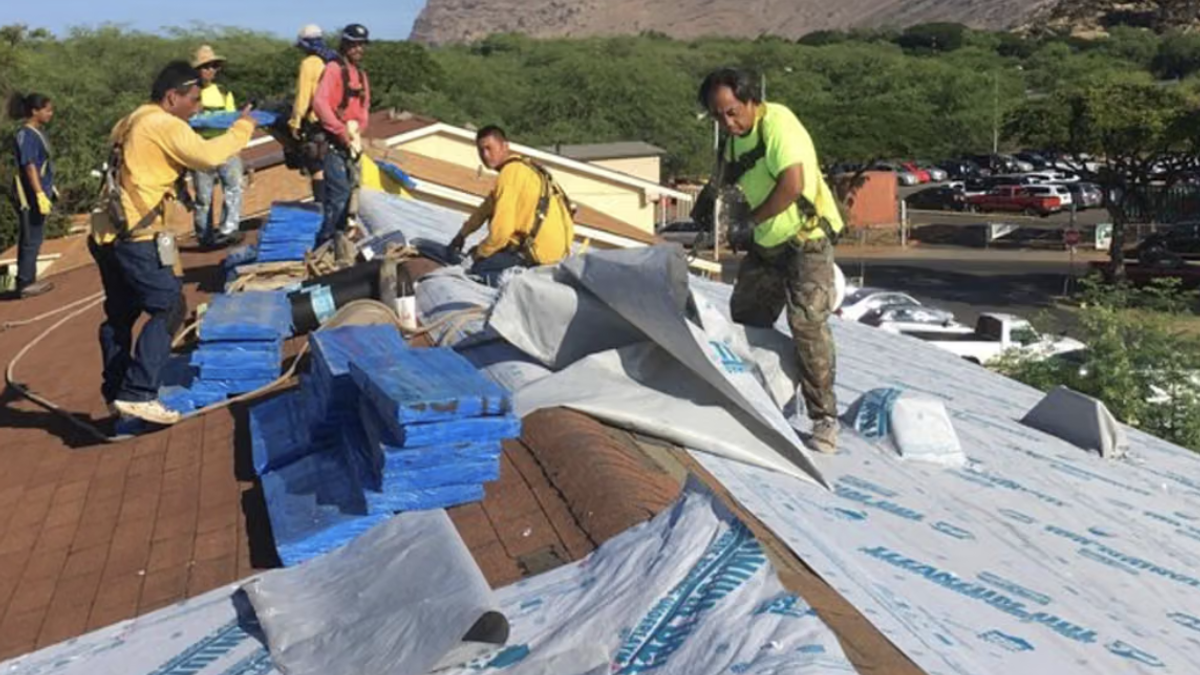
When your roof needs work, the lowest bid often comes from someone without a Hawaii contractor license. That choice can create problems that last longer than the temporary savings. On Oahu, roofing work above a modest dollar threshold requires a specific specialty license. Hiring someone who lacks it leaves you exposed to legal, financial, and structural risks that a properly licensed contractor is required to carry.
R&C Roofing holds Hawaii Contractor License CT-33642 with the C-42 Roofing Contractor classification, issued by the Department of Commerce and Consumer Affairs Contractors License Board. This post explains what that license actually requires, what happens when someone works without it, and how those differences affect you as a property owner.
What the C-42 License Requires
Hawaii classifies roofing as a specialty trade under the C-42 designation. To obtain and keep this license, a contractor must meet several state requirements.
The Responsible Managing Employee must document at least four years of supervisory roofing experience within the previous ten years. The applicant must pass both a Business and Law exam and the C-42 trade exam covering roofing systems, materials, installation methods, and Hawaii-amended building codes. The company must maintain general liability insurance and workers’ compensation coverage when employees are involved. A surety bond is also required in most cases.
These standards exist so that the person directing the work understands proper installation, wind-uplift requirements, and the material performance expected under Hawaii conditions. The license is not a formality. It is the state’s way of confirming minimum competence and financial responsibility before anyone is allowed to perform roofing work above the legal threshold.
You can verify any contractor’s license status through the official DCCA online portal or by calling the Consumer Resource Center.
The Legal Threshold and the Handyman Exemption
Hawaii law allows unlicensed “handyman” work only when the total contract price for labor and materials stays at or below $1,500 and no building permit is required. The moment the project exceeds that amount, or a permit becomes necessary, a contractor license is mandatory. Splitting a larger job into smaller invoices to stay under the limit is not permitted.
Most residential roof repairs and virtually all replacements exceed the exemption. Once the work crosses that line, an unlicensed person is engaged in unlicensed contracting. Penalties for the unlicensed party can include fines, stop-work orders, and in repeated cases criminal charges. For the homeowner, the practical consequences are more immediate.
Risks You Carry When You Hire Unlicensed Labor
An unlicensed worker cannot pull the building permits required for most roofing projects on Oahu. If they ask you to apply for an owner-builder permit so they can perform the work, that is a clear warning sign. Licensed contractors handle permitting as part of the process.
Unlicensed work is typically not covered by the contractor’s insurance because no valid license exists. If a worker is injured on your property, you may face liability that a properly insured contractor’s workers’ compensation policy would otherwise address. If the work fails and causes damage to the rest of the house, recovery becomes difficult. The Contractor Recovery Fund, which can provide limited relief for certain licensed contractor failures, does not apply to unlicensed activity.
Manufacturer warranties on roofing materials often require installation by a licensed contractor following the manufacturer’s specifications. Work performed outside those rules can void the warranty, leaving you without recourse if the product fails prematurely.
In short, the lower price shifts risk from the worker onto you.
| Factor | Licensed C-42 Contractor | Unlicensed Worker |
|---|---|---|
| Building permits | Obtains required permits | Cannot legally pull permits for most roofing work |
| Insurance | Required general liability and workers’ compensation | Often none or inadequate; claims may be denied |
| Warranty protection | Installation methods that preserve manufacturer coverage | Risk of voided material warranties |
| Recovery options | Access to Contractor Recovery Fund in qualifying cases | No access through the fund |
| Code compliance | Bound by Hawaii building codes and wind-uplift standards | No formal obligation or verification |
How Licensing Protects the Quality of the Work
A C-42 license does not guarantee perfect results on every job. It does confirm that the company has met experience, testing, insurance, and bonding standards before being allowed to bid on roofing work. That foundation matters when the project involves complex valleys, coastal salt exposure, or wind-driven rain common across Oahu.
Licensed contractors are also accountable to the Contractors License Board. Complaints about workmanship or contract disputes can be investigated. Unlicensed operators operate outside that system.
At R&C Roofing we pair the license with an inspection-first approach. We evaluate the actual condition of the roof before recommending repair or replacement. Our crews complete the work under the same license that authorizes us to perform it. You can review the full range of services we provide under that license on our services page.
Local Conditions Demand Proper Credentials
Oahu roofs face salt air near the coast, persistent moisture on the windward side, and intense UV plus occasional high winds on the leeward side. Materials and fastening methods that work on the mainland often fail here. A contractor who has passed the Hawaii-specific trade exam and works under local codes is more likely to select and install systems suited to these conditions.
When storm damage or age-related wear requires documentation for insurance or a real estate transaction, a licensed contractor can supply clear contractor-side records. We provide that documentation. We do not act as public adjusters or negotiate settlements. Details on how we support the structural side of claims are available on our claims page.
If you are unsure whether a roof needs targeted repair or a larger scope of work, start with a professional evaluation. Our roof inspection process is designed to give you facts before any construction decision is made.
Practical Steps Before You Hire
- 1.Ask for the contractor’s Hawaii license number and verify it on the DCCA website.
- 2.Confirm the license includes the C-42 Roofing classification.
- 3.Request proof of current general liability and workers’ compensation insurance.
- 4.Clarify who will pull the building permit.
- 5.Get a written scope of work and price before any materials are ordered.
These steps take little time and remove most of the avoidable risk.
Frequently Asked Questions
What is the difference between a C-42 license and a general contractor B license?
A C-42 is the specialty classification specifically for roofing. A general building contractor (B license) may oversee a project that includes roofing but typically must subcontract the actual roofing work to a C-42 licensee unless the B licensee also holds the specialty classification.
Can a handyman legally replace a few damaged shingles?
Only if the total cost of labor and materials stays at or below the legal exemption threshold and no permit is required. Most roof work exceeds that limit.
Does a licensed contractor cost more?
Licensed contractors carry insurance, bonding, and overhead that unlicensed workers often avoid. The difference in price reflects those protections. The lower bid frequently shifts cost and risk back to the homeowner when problems appear.
How do I check a contractor’s license status?
Visit the official DCCA Professional and Vocational Licensing search portal or contact the Consumer Resource Center. Enter the license number or business name to confirm active status and classification.
Does R&C Roofing handle permits?
Yes. We manage the municipal permitting process for the roofing work we perform on Oahu properties.
Protect Your Property with Clear Credentials
Your roof is the primary barrier between your home and Hawaii’s weather. The person who repairs or replaces it should meet the standards the state has set for that work. A valid C-42 license, current insurance, and the ability to obtain required permits are the baseline protections every property owner should expect.
If you need a clear assessment of your roof’s condition or are ready to move forward with properly licensed work, contact R&C Roofing Contractors. Call (808) 888-2524 or request a free inspection and estimate through our contact page. We serve residential and commercial properties across Oahu under Hawaii Contractor License CT-33642. Inspections and estimates are free. Written reports for insurance or real estate purposes carry a separate fee quoted in advance.